Cross-Platform vs Native — The Honest Version
You can build a mobile app three ways: fully native (separate Swift and Kotlin apps), cross-platform (one codebase for both), or a web wrapper (a website in an app shell — usually a mistake). For the vast majority of products — content, commerce, social, SaaS companions — cross-platform with React Native delivers a genuinely native-feeling app at around half the cost and time of building natively twice. Fully native earns its premium only for games, heavy AR, or apps built around cutting-edge platform hardware.
What We Build In
iOS & Android from one codebase.
Around 90% of the code is shared. Every feature is built once, tested once, and shipped to both stores — not implemented twice by two drifting teams.
Native performance & feel.
React Native renders real native components — scrolling, gestures, and animations feel like the platform because they are the platform, not a webview in a wrapper.
Push, offline & over-the-air.
Push notifications, offline-first data, deep linking, and over-the-air updates that ship fixes to users in hours, not app-review cycles.
Shares DNA with your web app.
Same language and patterns as React on the web — business logic, API clients, and developers move freely between web and mobile.
What's Included in an App Build
A typical mobile app engagement covers:
Need mobile as an ongoing product line? You can hire a dedicated React Native developer from our team.
Expo & React Native — Production-Grade Mobile
Modern React Native isn't the rough toolchain of five years ago. Built on Expo's production tooling, it's a mature pipeline from first build to store release — and when a feature genuinely needs platform code, native modules keep every door open.
“Cross-platform feels janky” was true of the webview hybrids of the 2010s — Cordova, Ionic — not React Native, which renders real native UI. Instagram, Discord, and Shopify run it in production at massive scale.
Ideal For
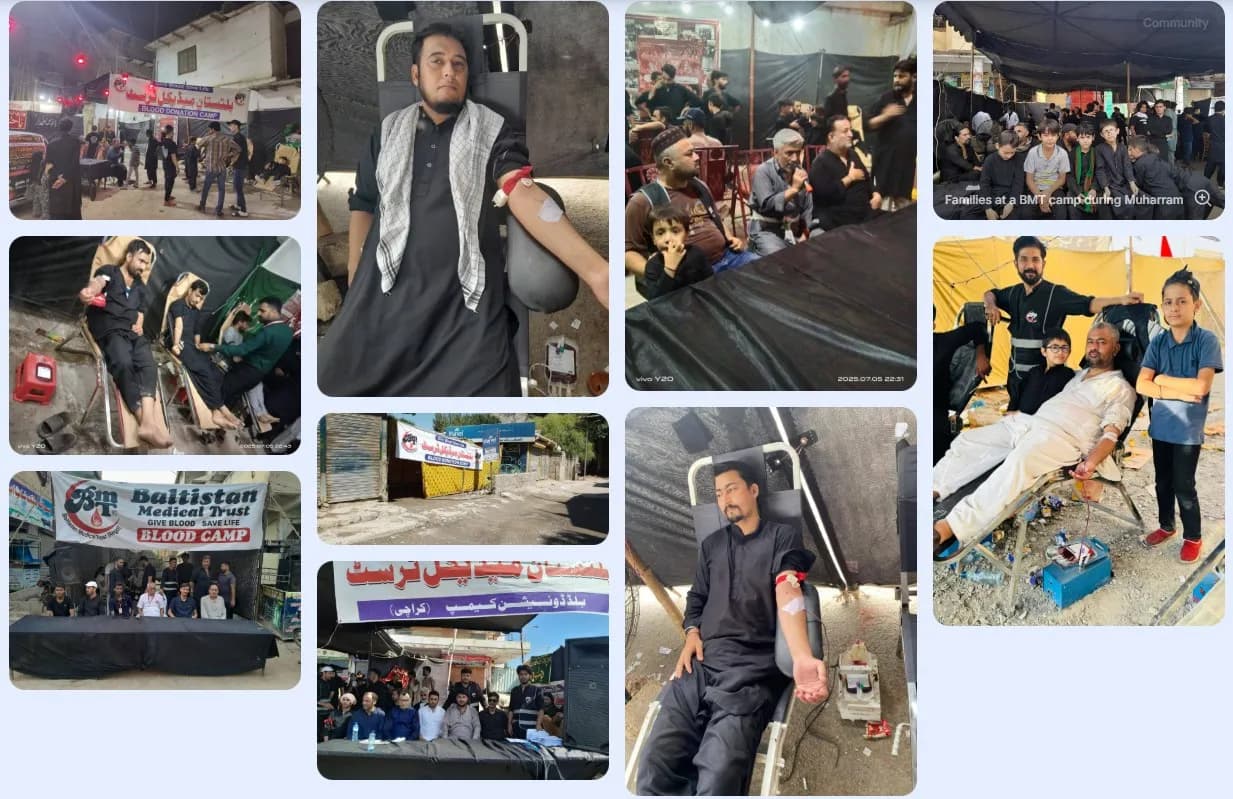
“Our volunteers ran everything on paper registers for years. With the app Codified built, finding an eligible donor takes seconds instead of hours. This work is saving lives in Baltistan.”
Mobile App DevelopmentWe've Actually Shipped
Live projects, real clients, and the full story behind each build — the problem, the decisions, and what changed afterwards.

How We Deliver — From First Call to Launch (and After)
No black box. Here's exactly what happens once you bring us in:
Discovery & scoping
A real conversation about the problem, the users, and the constraints — not a sales call. We leave it knowing exactly what needs building and why.
Fixed proposal & quote
You get a plain-English scope document, a timeline, and a fixed price. What's included, what's excluded, and what happens if scope changes — all in writing before any money moves.
Design & architecture
Wireframes, UI, and the technical architecture — database schema, API design, hosting — agreed up front so there are no expensive surprises mid-build.
Build in sprints
Development happens in short, reviewable cycles with a shared board. You see working software early and often, not a single black-box handoff at the end.
QA & testing
Every feature is tested — automated tests plus manual QA on real devices — before it's marked done. Nothing ships on a “works on my machine”.
Launch & handoff
Deployment, performance checks, and a walkthrough. You get the source code, the hosting, and the documentation — full ownership, zero lock-in.
Support & iteration
We stay on for bug fixes, monitoring, and new features on a retainer or ad-hoc basis — whichever fits how your product will actually grow.
How Much Does Mobile App Development Cost?
Mobile app development cost in the UK varies by feature set. For reference:
| Option | Typical range |
|---|---|
| UK agency — cross-platform app | £30,000 – £80,000 |
| UK agency — native (×2 platforms) | £60,000 – £150,000+ |
| Freelance team (variable quality) | £15,000 – £50,000 |
| Mobile app via Codified Studio | from $3,500 (fixed scope) |
The cheapest quote on paper isn't always the cheapest in practice — a low day rate that needs heavy management, or a build that needs redoing, costs more than a fixed scope delivered right the first time. With Codified Studio, pricing is transparent from the first quote: no hidden onboarding fees, no surprise scope creep, and full code ownership at the end. See the work we've delivered or tell us what you're building.
Get a Tailored QuoteFrequently Asked Questions
For most products — content, commerce, social, SaaS companions — React Native gives you a native-feeling app on both platforms at roughly half the cost of building twice. Go fully native only for games, heavy AR, or apps built around cutting-edge hardware APIs. We'll tell you honestly which category yours is in.
Yes — builds, signing, store listings, review responses, and phased rollout on both stores are part of the engagement, not an extra. You keep ownership of the developer accounts; we do the work inside them.
Yes — React Native talks to any REST or GraphQL API. If you don't have a back-end yet, we build one alongside the app so the whole product ships from one accountable team.
Projects are priced in USD and invoiced via Payoneer or Elevate Pay — no international wire fees, no currency surprises. Fixed-price projects run 50% deposit to start, 50% on delivery, against a plain-English scope document agreed before any money changes hands.
100%. Source code, assets, hosting credentials, and domains are all transferred to you at handoff, with documentation. You're never locked into us for maintenance — everything is yours.
A focused first version is typically eight to fourteen weeks from signed scope to store submission, with app store review adding a few days on top. What stretches it: multiple user roles, offline-first data, payments, or a back-end that has to be built alongside the app. What compresses it: a clear scope, existing designs, and an honest decision about what version one deliberately leaves out. We give a date in the proposal and flag the specific things that could move it.
Yes — builds, signing, store listings, screenshots, review responses and phased rollouts are part of the engagement rather than an extra. You keep ownership of the developer accounts throughout and we work inside them, so nothing is hostage to us if you take the app elsewhere. Rejections happen to everyone at least once; handling the back-and-forth with the review teams is our job, not something we hand back to you.
Related Services
Would a dedicated developer suit you better?
A fixed-scope project works best when you know what you need built. If the work is ongoing, or you already have a team that just needs more capacity, embedding one of our developers full-time is usually the cheaper route.
Ready to start your mobile app development project?
Tell us what you're building and we'll come back with a scoped recommendation and a fixed quote — not a generic sales call.